Where It Works
The roofs liquid-applied membrane suits best — with the thickness spec for each.
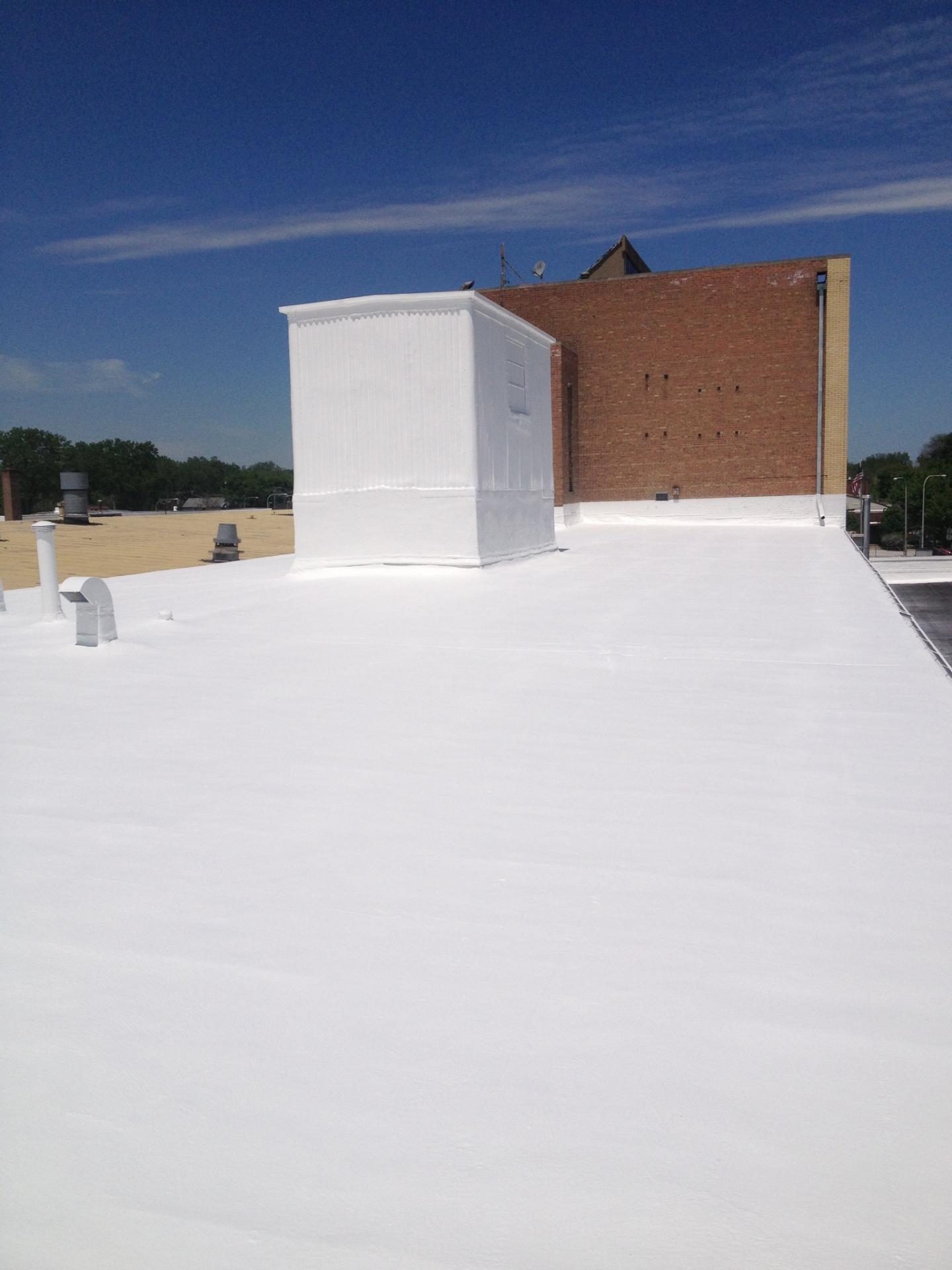
Flat & Low-Slope Home Roofs
This is the best case for liquid roofing, and it is not close. A flat roof cannot rely on gravity and overlap the way a steep roof does — it needs genuine waterproofing, and every seam in a rolled or single-ply system is a place that has to stay sealed forever.
A sprayed membrane makes the whole plane one piece, drains included. And when ponding is the underlying problem, closed-cell foam under the membrane can be shaped to create the fall the roof never had.
Spec: Wash and dry, 7001 Primer, OR-80SLM at 50–60 mil across the field with a stripe pass at drains, curbs, and parapet transitions. Add 1–2" closed-cell foam where ponding or insulation is a concern.
Metal Roofs & Porch Roofs
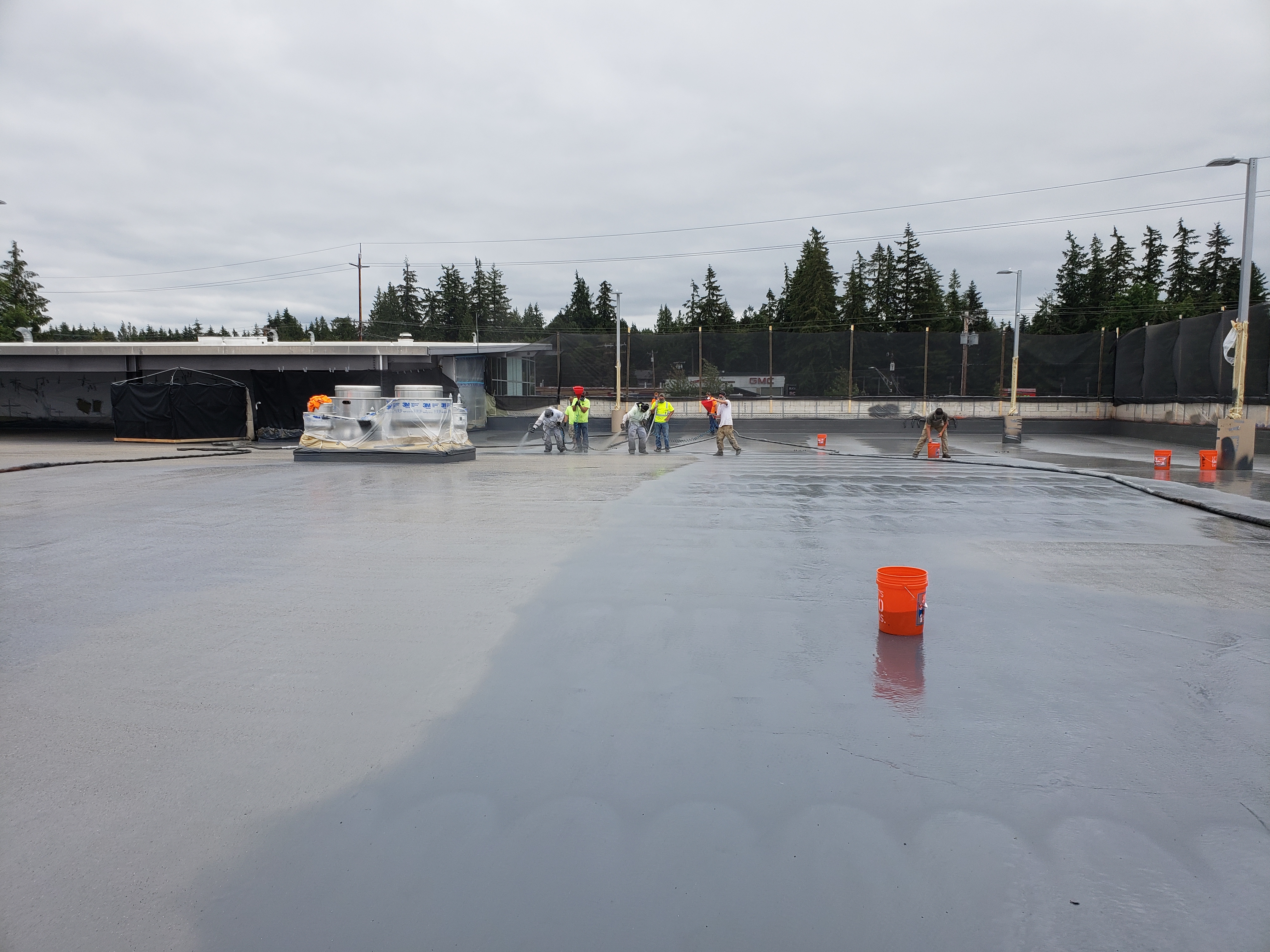
Metal roofs almost never leak through the metal. They leak at the panel laps, at the exposed fastener washers, and at the ridge and eave terminations — dozens or hundreds of small joints, each of which is working loose a little more every year as the panel expands and contracts.
A liquid membrane retires all of them simultaneously. It bridges the laps, buries the fastener heads, and carries continuously over the ridge, and it stretches with the panel instead of cracking at those same details.
Spec: Degrease and abrade, 7001 Primer, OR-80SLM at 40–60 mil with an extra pass over laps and fastener lines.
Additions, Dormers & Awkward Transitions
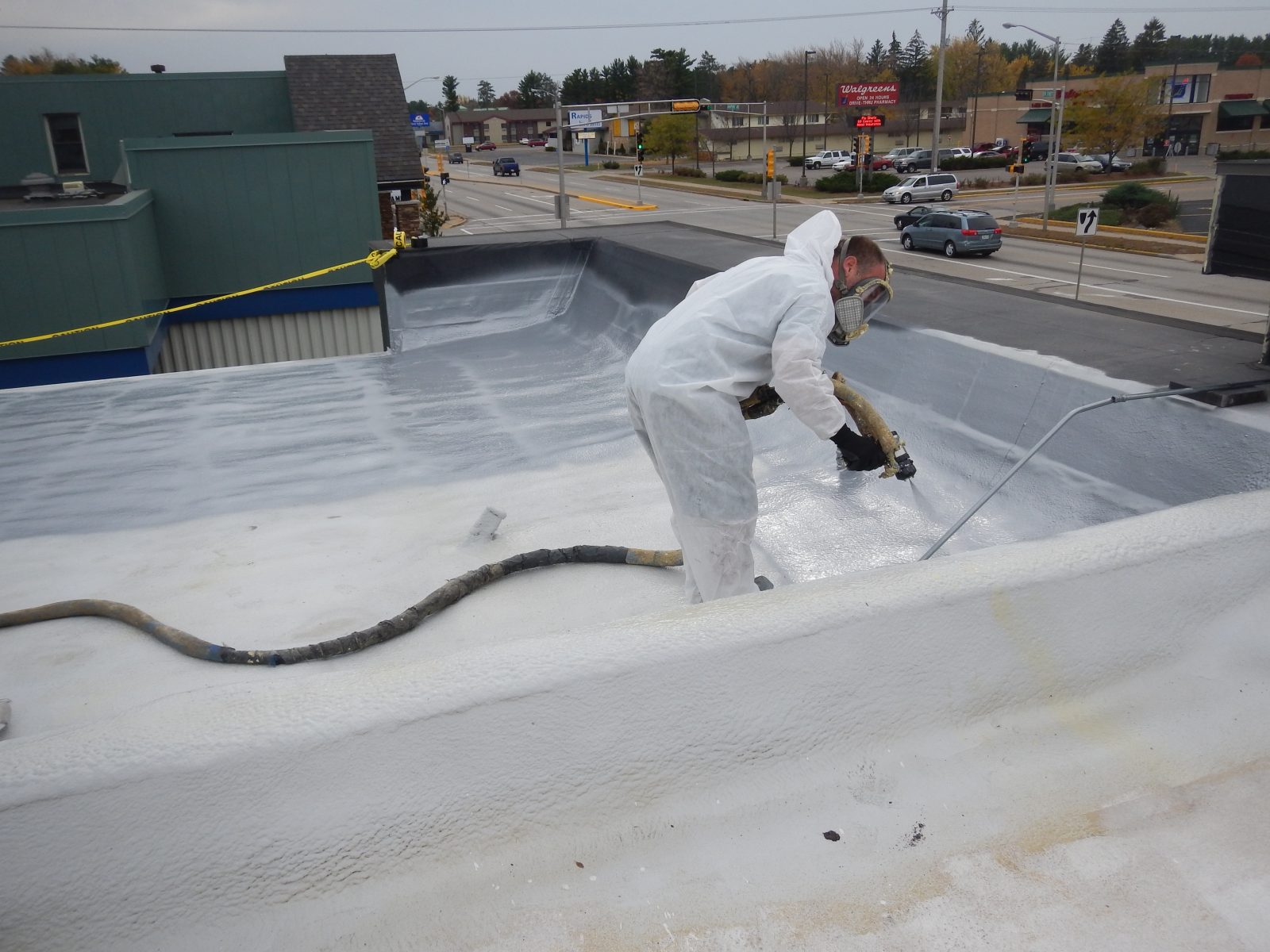
Many houses leak in exactly one place: where the addition meets the original house, where a dormer meets the main slope, or where a low porch roof ties into a wall. These are the details a roofer flashes, caulks, and hopes for — and they are where two structures moving independently tear whatever is sealing them.
A liquid membrane is at its best here because it does not care about geometry. It runs up the wall, across the transition, and out onto the roof plane as one uninterrupted piece. There is no flashing joint because there is no joint.
Spec: 7001 Primer over both substrates, OR7K or OR-80SLM at 60 mil, carried a minimum of 6" up the vertical surface and tied into the field membrane.
Manufactured & Mobile Home Roofs
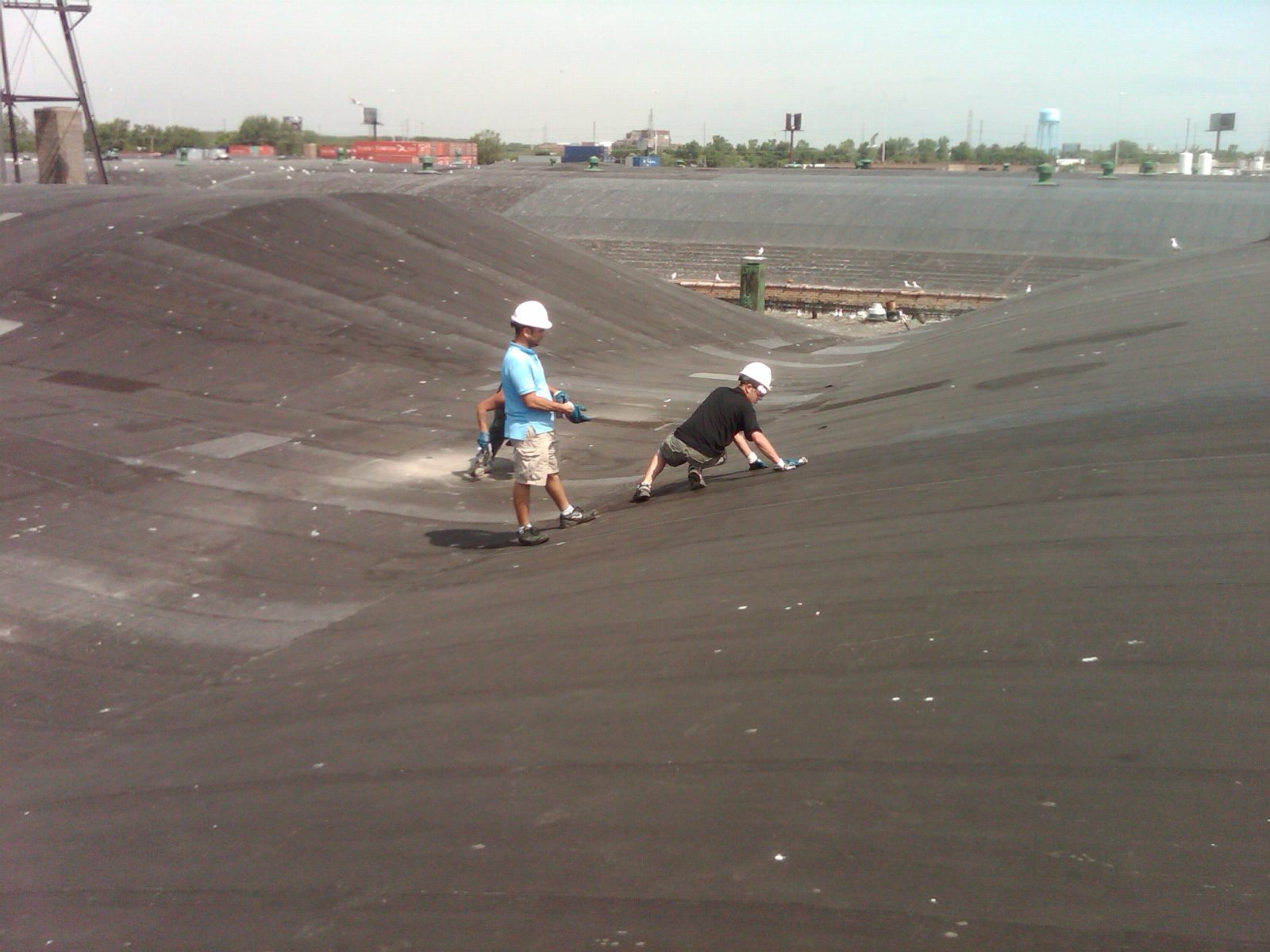
Manufactured housing roofs are their own category. They are typically metal or a thin membrane, they are lightly framed, they flex noticeably in wind, and the seams and vent flanges are the perennial leak source. Many have been coated repeatedly with brush-on products, each layer more brittle than the last.
An elastic sprayed membrane suits this structure well precisely because it flexes with it. Where the unit calls for a lighter, hand-applied approach instead, Alasta Seal is a flexible polyurea developed for exactly these roofs.
Spec: Clean, remove all loose coating, 7001 Primer, OR-80SLM at 40–50 mil with a stripe pass at every seam, vent, and edge trim.
Also Commonly Done
- Detached garages, shops, and sheds — small enough to finish in a day, and usually the leakiest building on the property
- Sunrooms, patio covers, and carports — panel joints and skylight curbs sealed as one surface
- Rolled asphalt and modified bitumen roofs — primed and encapsulated rather than torn off
- Cabins and seasonal buildings — a roof that survives being unattended through winter
- Sound asphalt shingle roofs — restoration on low-slope sections, where appearance is not the priority
- Small commercial and mixed-use buildings — storefronts, offices over retail, restaurant flat roofs
- Roof decks and walkable surfaces — Flak Jacket 1 for the traffic areas
- Gutters, box gutters, and scuppers — the joints that leak into the wall instead of onto the ground
Not Sure Which Category You Are In?
Describe the roof and where the water shows up inside. That is usually enough for us to tell you whether this system fits — and whether it should be sprayed, foamed first, or torn off.
Ask About My RoofSee If Your Roof Is a Candidate
Tell us about your project and we will follow up with product details, technical data sheets, and pricing.